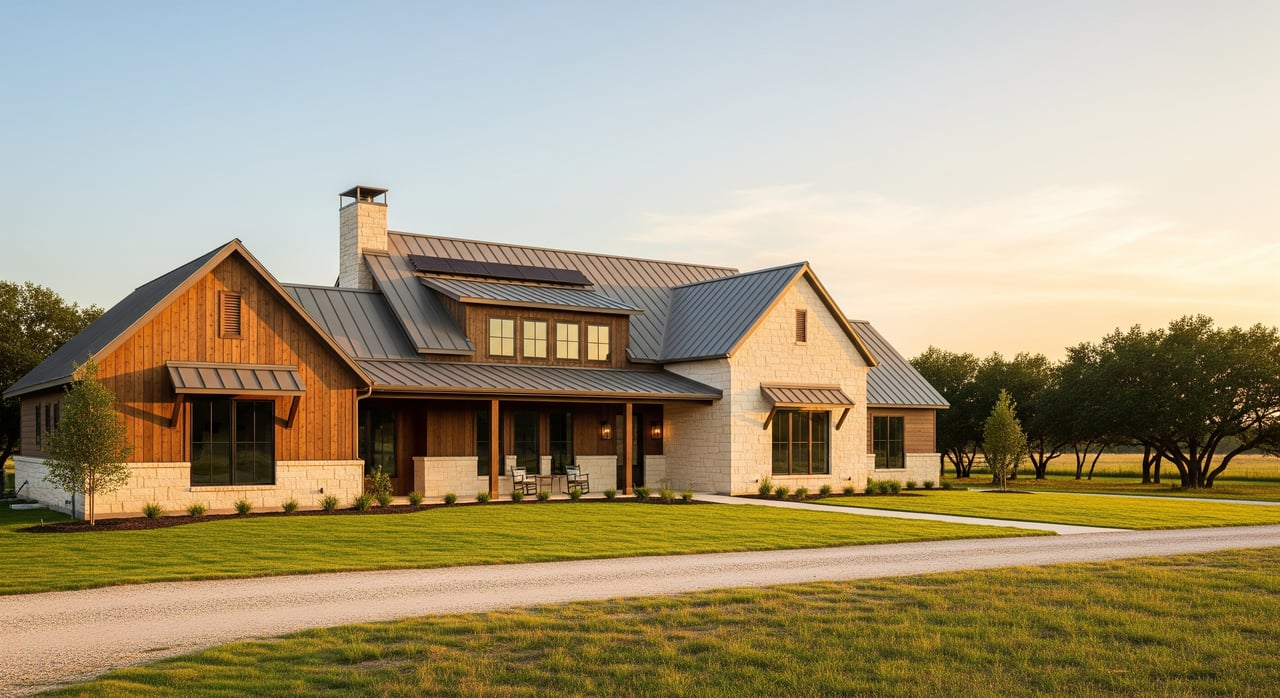
Weatherize Your Atlanta, TX Home for Year‑Round Comfort
October 16, 2025
October 16, 2025
Summer in Atlanta, Texas can feel like you are living in a sauna, then a cold snap sneaks in around the holidays. If you are tired of rooms that never feel right or bills that spike with the weather, smart weatherization can help. In this guide you will get a simple, local plan to cut heat and humidity, protect your home, and save energy without wasting money. Let’s dive in.
Atlanta sits in a humid subtropical zone with hot, humid summers and mild winters with occasional freezes. That means your biggest comfort challenge is summer heat and moisture, not months of deep cold. You will get the best results by controlling heat gain and indoor humidity first. See a quick local overview on the city and climate in the Atlanta, Texas profile.
Moisture control is as important as insulation in our region. In hot humid climates, the wrong materials or poor ventilation can trap moisture and lead to mold or rot. Learn why humidity control matters in hot humid areas from this overview on ventilation and comfort.
Severe thunderstorms and flash flooding happen here too, especially in low areas. Before major exterior work, check your parcel’s risk using the FEMA Flood Map Service Center. Good drainage, secure roofing, and anchored outdoor equipment all support a durable home.
A home energy assessment finds where your home leaks air and where moisture sneaks in. A solid audit often includes a blower door test, infrared scan, duct testing, and basic safety checks. See what to expect in a DOE Energy Saver home tour.
Why start here? Targeted fixes give you better comfort and payback. Many utility rebates also require an audit or post-work testing. Ask for a written report with prioritized steps.
Uncontrolled air leaks drive heat gain and humidity indoors. Focus on these common spots:
Typical fixes include caulking and foam, weatherstripping, gaskets at outlets, and sealing attic access. After sealing, verify combustion appliance safety to avoid backdrafting. The DOE Energy Saver guide is a helpful reference.
In our warm humid Zone 3A, a practical attic target is R-38 to R-49. Cover wall top plates and maintain consistent depth for best results. See climate-specific insulation guidance from Green Building Advisor.
If your ducts or air handler are in the attic, a radiant barrier can trim summer cooling load. Many homes see meaningful comfort gains during peak heat. Learn more in the DOE Energy Saver tour.
Check that attic vents, baffles, and flashing are working correctly. Proper venting helps manage moisture and extends roofing life. See best practice details in the Building America Solution Center.
Leaky or uninsulated ducts in an attic can dump conditioned air outside the living space. Ask for duct testing and sealing with mastic on joints, then insulate ducts in unconditioned areas. If you can, locate ducts inside the conditioned envelope. Find guidance in the Building America Solution Center.
Once you tighten the shell, make sure stale air and moisture have a controlled path out. Verify quiet, effective exhaust in baths and the kitchen, then consider a whole-home ventilation plan that fits a hot humid climate. In some homes, a dedicated dehumidifier helps comfort and protects finishes. See a homeowner-friendly primer on humidity and ventilation.
Address ground moisture too. Maintain positive grading, working gutters and downspouts, and proper crawlspace vapor barriers. Details are outlined in the Building America Solution Center.
Start with maintenance. Clean coils, replace filters, check refrigerant levels, and verify airflow. A tune-up can restore lost efficiency and improve comfort. The DOE Energy Saver tour explains why upkeep matters.
When it is time to replace, high-efficiency air conditioners or modern heat pumps perform well in Atlanta’s climate. Size equipment for the cooling load and pair it with sealed, insulated ducts. Smart or programmable thermostats can trim heating and cooling use by around 5 to 10 percent in many homes.
Windows are a higher cost upgrade, so start with air sealing and weatherstripping. If you do replace, prioritize low-e products and the most sun-exposed walls. Exterior shade like awnings, solar screens, and well-placed trees can cut peak heat and help outdoor AC units run cooler. See ideas in the DOE efficiency checklist.
Insulate hot water pipes and set your water heater to 120 degrees Fahrenheit. If you own an older electric tank, a heat pump water heater is worth a look at replacement. See simple steps in the DOE home tour.
The federal Energy Efficient Home Improvement Credit can cover 30 percent of many upgrades like insulation, air sealing materials, qualified windows and doors, and some HVAC, subject to annual caps. Review current rules on the IRS guidance page before you buy.
For local help, check your provider. Parts of Cass County are served by cooperatives like Bowie-Cass Electric Cooperative, while some addresses connect through Oncor’s network. Oncor has offered programs that include attic insulation, air sealing, and HVAC incentives. See example details on Oncor efficiency programs, then confirm your exact eligibility with your utility. Many rebates require pre-approval and post-install testing, so keep your paperwork.
Air sealing and attic insulation often deliver strong value, with many homes seeing about 10 to 20 percent HVAC savings when these are done together. Deep whole-home upgrades can save more but cost more. Radiant barriers in hot climates may trim cooling use by roughly 5 to 10 percent when ducts are in the attic, and smart thermostats can add similar savings. These ranges come from the DOE Energy Saver program.
Ballpark costs vary by home and contractor. Attic sealing and blown insulation may run from a few hundred to a few thousand dollars, duct sealing ranges from several hundred to a few thousand, and full HVAC replacements start in the several-thousand range. Use your audit results to target the best return first.
Severe weather can arrive fast in Northeast Texas, and nearby lakes and creeks can push water into low spots. Anchor outdoor condensers, keep roof flashing in good shape, and confirm site drainage. Always check your parcel on the FEMA flood maps before major exterior or foundation work.
Ready to map out upgrades that boost comfort and curb appeal before you list or buy? Reach out to Darla Wilf for local guidance, trusted contractor referrals, and a plan that supports your long-term home goals.
Stay up to date on the latest real estate trends.
With decades of experience and a deep love for her hometown, Darla brings unmatched knowledge and heart to every transaction. Whether you’re buying your first home or selling your last, she’s got you covered.